
Journal
A Buyer’s Guide to Vintage Chronographs

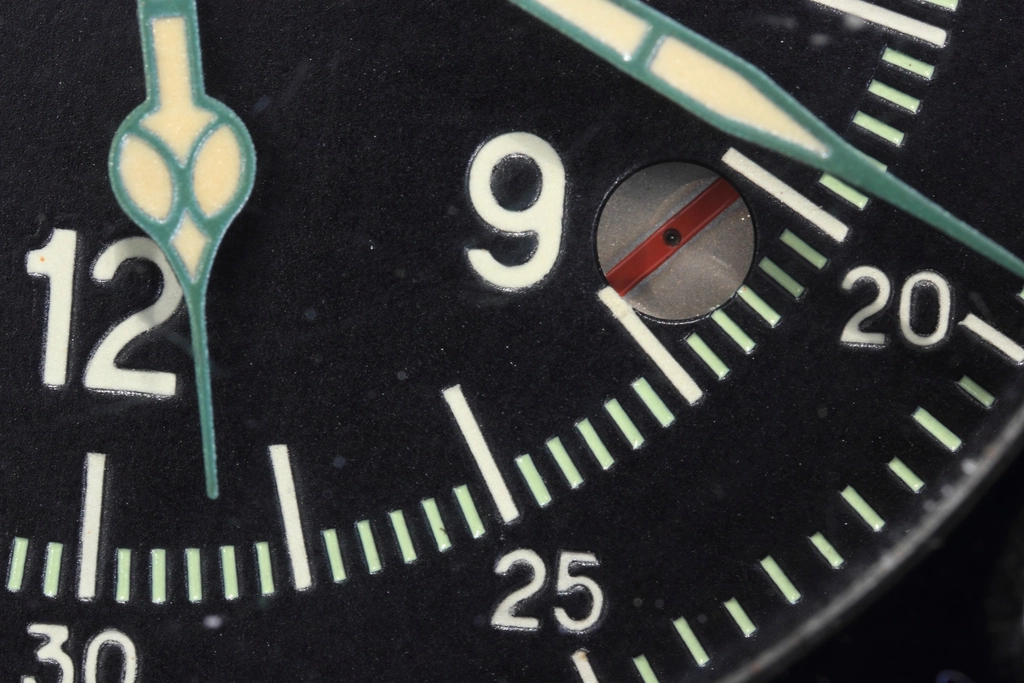
A vintage chronograph is a wonderful thing to own. It is a working machine, a piece of design history and, often, a small time capsule from the decades when wristwatches timed races, flights and experiments. It is also one of the more complex purchases in the watch world. This vintage chronograph buying guide walks through the points our specialists check on every piece, so you can buy with clarity rather than guesswork.
Start With What You Love
Before you look at movements or serial numbers, decide what draws you in. Some collectors love the clean, open dials of racing chronographs. Others prefer the instrument-panel density of a pilot’s watch with a slide-rule bezel, or the bright colors of 1970s automatics. Your taste will narrow the field quickly, and it will help you stay focused when a tempting but unsuitable piece appears.
Think, too, about how you will wear the watch. A vintage chronograph worn daily needs a sturdier case and a movement that is easy to service. One kept for weekends can be more delicate or more unusual.
Understand the Movement
Chronograph movements fall into two broad families. Column-wheel designs use a small toothed wheel to coordinate start, stop and reset. They are associated with crisp pusher action and are often finely finished, which is why collectors tend to prize them. Cam-actuated designs, which became widespread later, use a shaped lever instead. They are robust, practical and often less expensive to service.
You will also see a choice between manual-wind and automatic. Hand-wound chronographs dominated until the end of the 1960s, when the first self-winding chronographs arrived from Switzerland and Japan. Both are rewarding to own. A manual-wind watch asks for a daily turn of the crown; an automatic winds itself as you wear it.
Originality Is Everything
In vintage watches, originality drives value more than almost anything else. The dial, hands, bezel, pushers and crown should all be correct for the reference and period. Look for consistency: lume on the hands should age in harmony with lume on the dial, and fonts on the tachymeter scale should match known-correct examples.
Not every replacement is a problem. Watches were serviced for decades, and a replaced crown or crystal is normal. What matters is disclosure. A good seller will tell you what is original and what is not. Be cautious with dials that look too perfect for their age, as refinishing (often called a redial) can greatly reduce a watch’s value.
Read the Condition Honestly
Patina is part of vintage charm. Dials that have turned warm brown, bezels faded by sunlight and creamy lume can make a chronograph unique. Damage is another matter. Watch for water stains, corrosion, flaking print and heavily polished cases. Polishing softens sharp edges and bevels, and once metal is removed it cannot be put back. A case with crisp lines and visible original finishing is worth paying more for.
Ask About Service History
A chronograph contains many more parts than a simple time-only watch, so servicing matters. Ask when the watch was last serviced, by whom and whether original parts were retained. A recent service by a competent watchmaker can save considerable cost in the near term. If a service is due, factor it into your budget from the start.
Test the functions, or ask the seller to confirm them: the chronograph should start, stop and reset cleanly, and the registers should advance correctly.
Set a Realistic Budget
Vintage chronographs span a wide range of prices. Japanese automatics offer an accessible way into the category, while sought-after Swiss references can reach serious collector territory. Whatever your budget, allow a margin for straps, servicing and insurance. Buying the best example you can afford in a less famous reference is often wiser than stretching for a compromised example of a famous one.
Buy From Someone Who Shows Their Work
Finally, choose a seller who explains what they know. At Caliber Watches, every piece in our vintage chronographs collection is inspected, tested and described plainly, including any non-original parts. Our authenticity guarantee backs every purchase, and if you are hunting for a specific reference, our sourcing service can help. Questions? Talk to a specialist any time.